1. Partial Melting: Deep beneath the Earth's surface, conditions become extremely hot and unstable, leading to partial melting of the upper mantle. This molten material, called kimberlitic magma, forms at depths ranging from 150 to 450 kilometers (90 to 280 miles).
2. Magma Ascent: The kimberlitic magma, due to its high temperature and volatile components (such as carbon dioxide and water), becomes buoyant and starts rising towards the Earth's surface through cracks and weaknesses in the crust.
3. Volatile Concentration: As the magma rises, it undergoes a process called volatile exsolution. This leads to the concentration of volatile components in the remaining magma, making it more explosive and volatile-rich.
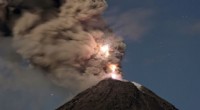
4. Magma Intrusion and Eruption: The ascending kimberlitic magma forms pipe-like structures known as kimberlite pipes. These pipes are vertical cylinders that traverse various rock layers, often reaching the Earth's surface. When the magma finally reaches the surface, it may erupt explosively, forming a volcanic crater.
Diamonds:
1. Carbon Source: The origin of diamonds in kimberlite pipes lies in the carbon present within the kimberlitic magma. This carbon is believed to come from recycled crustal material that has been subducted deep into the Earth's mantle.
2. High-Temperature and Pressure: As the kimberlitic magma rises towards the surface, it carries the carbon atoms to great depths where the temperature and pressure conditions become extremely high. These conditions favor the formation of diamond crystals.
3. Diamond Crystallization: Carbon atoms within the kimberlitic melt experience immense heat and pressure, causing them to rearrange and form diamond crystals. This process of diamond crystallization occurs over a period of millions of years.
4. Explosive Eruption: The kimberlite magma, now containing diamonds, erupts violently through the kimberlite pipe. The explosive nature of the eruption carries the diamond crystals to the Earth's surface.
5. Erosion and Transport: Over time, the volcanic craters and kimberlite pipes undergo erosion, exposing the diamondiferous rocks. These rocks can then be broken down by weathering processes, releasing the diamonds into the surrounding environment.
6. Secondary Deposits: Diamonds from their original source (kimberlite pipes) can be transported by natural processes such as rivers and glaciers, forming secondary diamond deposits (alluvial and glacial deposits) where diamonds can be found in loose sediments or gravels.
It's important to note that not all kimberlite pipes contain diamonds, and the presence of diamonds in kimberlite is a complex process influenced by a range of geological factors.