1. Solar Radiation Management (SRM):
- SRM techniques aim to reduce the amount of solar radiation reaching the Earth's surface.
- One proposed SRM method is stratospheric aerosol injection, which involves releasing reflective particles into the stratosphere to block a small amount of sunlight.
- By reducing the amount of solar energy absorbed by the Earth, SRM could potentially help slow down the melting of ice sheets. However, this approach comes with significant uncertainties and potential side effects, including potential impacts on weather patterns and ecosystems.
2. Marine Cloud Brightening:
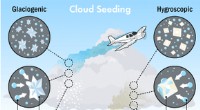
- Marine cloud brightening involves enhancing the reflectivity of marine clouds by dispersing seawater droplets into the atmosphere above the ocean.
- By increasing the brightness of clouds, more sunlight can be reflected back into space, leading to a cooling effect.
- This technique could potentially help reduce ocean heat uptake and slow the melting of ice sheets near coastal regions. However, similar to SRM, there are concerns about the unintended consequences of altering cloud properties on regional and global climate systems.
3. Ice Sheet Surface Modification:
- Ice sheet surface modification techniques aim to increase the surface reflectivity of ice sheets to reduce the amount of solar energy absorbed.
- One approach involves spreading reflective materials, such as snow or crushed ice, over the surface of the ice sheets to enhance their albedo (ability to reflect sunlight).
- While this method could potentially reduce surface melting, it is logistically challenging and may have limited effectiveness in regions with heavy snowfall or during certain seasons.
4. Glacier and Ice Shelf Restoration:
- Some geoengineering proposals focus on restoring and preserving glaciers and ice shelves that are particularly vulnerable to melting.
- This can involve measures such as constructing artificial ice shelves or using water cannons to thicken and reinforce weakened ice structures.
- These techniques aim to reduce ice loss and slow the retreat of glaciers and ice shelves, but they are complex, expensive, and may not be feasible on a large scale.
5. Carbon Dioxide Removal (CDR):
- CDR techniques aim to remove carbon dioxide from the atmosphere to reduce greenhouse gas concentrations and mitigate global warming.
- By addressing the root cause of ice sheet melting, CDR approaches can contribute to preserving ice sheets in the long term.
- Examples of CDR methods include reforestation, bioenergy with carbon capture and storage (BECCS), and enhanced weathering of minerals to capture CO2.
It's important to note that geoengineering approaches are still largely experimental and carry potential risks and uncertainties. Extensive research, careful consideration, and international cooperation are necessary to evaluate the feasibility, effectiveness, and potential drawbacks of these techniques before any large-scale implementation could be considered.