*Introduction:*
The Arctic, a region characterized by extreme cold and icy landscapes, is undergoing rapid transformation due to climate change. The melting ice in the Arctic has far-reaching effects on our climate and ecosystems worldwide. By unlocking the mysteries behind the melting ice, we gain critical insights into the complex interactions that shape our planet's climate and environment.
I. Melting Ice and Sea Level Rise
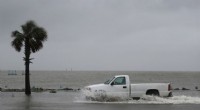
- As Arctic ice melts, it contributes to global sea-level rise, submerging coastal areas and increasing flood risks for millions of people.
II. Disrupted Ocean Currents
- Arctic ice plays a pivotal role in regulating ocean currents, which distribute heat around the globe. Melting ice can disrupt these currents, impacting global weather patterns and causing temperature irregularities.
III. Ocean Acidification
- When ice melts, it releases fresh water into the oceans, altering their salinity. This, in turn, affects ocean chemistry and leads to ocean acidification, threatening marine ecosystems and fisheries.
IV. Methane Release
- Arctic permafrost contains vast reserves of frozen methane, a potent greenhouse gas. Melting ice leads to thawing permafrost, resulting in the release of methane into the atmosphere and accelerating global warming.
V. Arctic Amplification
- The Arctic region experiences amplified warming compared to other parts of the Earth. This phenomenon amplifies global temperature changes, contributing to climate extremes such as heatwaves and intense storms.
VI. Habitat Loss and Biodiversity
- As sea ice disappears, polar species like polar bears and seals lose their habitats, affecting their survival and biodiversity.
VII. Changes in Albedo
- Arctic ice has a high albedo, meaning it reflects a significant amount of sunlight back into space. When ice melts, the reflective surface decreases, absorbing more heat and further amplifying warming.
Conclusion:
The mysteries unlocked by melting Arctic ice reveal complex consequences for our climate. Rising sea levels, disrupted ocean currents, ocean acidification, methane release, and ecosystem disruptions represent critical challenges that demand urgent global action. Mitigation strategies aimed at reducing greenhouse gas emissions and adapting to changing conditions are essential to mitigate the detrimental effects of Arctic ice loss. Preserving and safeguarding the Arctic's delicate balance remain crucial in ensuring the stability and well-being of our entire planet and future generations.