1. Near the Earth's surface (up to a few hundred meters): The temperature near the Earth's surface is primarily influenced by the ambient air temperature and can vary considerably based on geographical location, seasons, and weather patterns. For most regions, the average surface temperature ranges from freezing temperatures in polar regions to warm temperatures in the tropics.
2. Upper Crust: The upper part of the Earth's crust is less dense and cooler compared to deeper levels. The temperatures typically range from about 10°C (50°F) to several hundred degrees Celsius (a few hundred degrees Fahrenheit).
3. Middle Crust: As we move deeper into the Earth's crust, the temperature continues to increase. In the middle crust, temperatures may reach up to a range of 100-500°C (200-900°F).
4. Lower Crust: The lower crust is where we find the highest temperatures within the crust. Here, temperatures can rise up to 600-1,000°C (1,100-1,800°F). These high temperatures are associated with the presence of molten rock, such as magma.
5. Crust-Mantle Boundary (Moho): At the boundary between the crust and the Earth's mantle, known as the Moho discontinuity, temperatures can reach as high as 1,000°C (1,800°F).
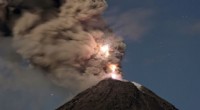
It's worth noting that these temperatures are approximate estimates, and variations can occur depending on geological settings and specific regions around the world. Additionally, the temperature in geothermal areas, such as near volcanic regions or hot springs, can exceed the average values mentioned here.