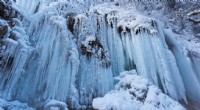
Frostquakes are a relatively rare type of earthquake that occurs when the ground freezes and expands rapidly. This expansion can cause the ground to crack and shift, which can damage buildings and infrastructure. Frostquakes are most common in cold climates, where the ground freezes deeply.
How do frostquakes happen?
Frostquakes occur when the ground freezes and expands rapidly. This expansion can be caused by a number of factors, including:
* Changes in temperature: When the temperature drops suddenly, the ground can freeze quickly, causing the ground to expand.
* Snowmelt: When snow melts, it can seep into the ground and freeze, causing the ground to expand.
* Groundwater: When groundwater freezes, it can expand and cause the ground to shift.
Where do frostquakes happen?
Frostquakes are most common in cold climates, where the ground freezes deeply. Some of the areas most affected by frostquakes include:
* Canada
* Alaska
* Siberia
* Northern Europe
What are the risks of frostquakes?
Frostquakes can cause a number of risks, including:
* Damage to buildings and infrastructure: Frostquakes can cause the ground to crack and shift, which can damage buildings, roads, and bridges.
* Injuries and deaths: Frostquakes can cause injuries and deaths if people are caught in collapsing buildings or if they are struck by falling objects.
* Economic losses: Frostquakes can cause significant economic losses, including damage to property and infrastructure, as well as lost productivity.
How can you protect yourself from frostquakes?
There are a number of things you can do to protect yourself from frostquakes, including:
* Be aware of the risks: Knowing the risks of frostquakes can help you to take precautions to protect yourself and your property.
* Prepare your home: You can prepare your home for frostquakes by making sure that it is well-insulated and by securing heavy objects that could fall in an earthquake.
* Have an emergency plan: It is important to have an emergency plan in place in case a frostquake occurs. Your plan should include how you will evacuate your home and how you will stay safe.
Frostquakes are a real risk in cold climates. By taking precautions to protect yourself and your property, you can help to reduce your risk of injury or damage.