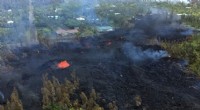
Debris flows can travel at speeds of up to 30 miles per hour and can carry boulders as large as houses. They can destroy infrastructure, homes, and property, and can even cause fatalities. In the United States, debris flows are most common in the western states, but they can also occur in other parts of the country.
Debris flows are a dangerous natural hazard, but there are steps that can be taken to reduce the risk of damage. These steps include:
* Building homes and infrastructure in areas that are not prone to debris flows
* Stabilizing slopes that are susceptible to erosion
* Removing debris from streams and channels
* Educating the public about the risks of debris flows
If you live in an area that is prone to debris flows, it is important to be prepared for the possibility of an event. This includes having an evacuation plan in place and knowing how to stay safe during a debris flow.