1. Building Resilient Infrastructure:
Dominica is investing heavily in building hurricane-resistant infrastructure. This includes constructing buildings that can withstand high winds and flooding, reinforcing bridges and roads, and installing stronger power grids and communication systems.
2. Strict Building Codes:
The island has implemented stringent building codes that require new structures to meet specific standards for hurricane resistance. These codes include requirements for reinforced concrete construction, proper anchoring, and the use of hurricane-resistant materials.
3. Natural Disaster Preparedness:
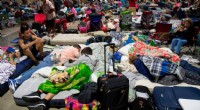
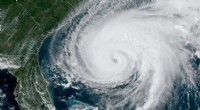
Dominica has established a comprehensive disaster preparedness plan that includes early warning systems, evacuation protocols, and the prepositioning of emergency supplies. Community-based disaster management groups have been formed to facilitate local preparedness and response efforts.
4. Education and Awareness:
Dominica emphasizes public education and awareness about hurricane safety. Regular drills and simulations are conducted to ensure that residents know how to respond in case of a hurricane. Educational programs in schools and communities teach about hurricane risks and mitigation measures.
5. Sustainable Land Management:
The island promotes sustainable land management practices, such as reforestation, to reduce erosion and landslides, which can worsen the impact of hurricanes. Properly managing natural resources also contributes to overall environmental resilience.
6. Climate Adaptation Strategies:
Recognizing the long-term effects of climate change, Dominica has adopted comprehensive climate adaptation strategies. These strategies include diversifying the economy to reduce reliance on agriculture, investing in renewable energy sources, and improving water resource management.
7. International Collaborations:
Dominica collaborates with international organizations, such as the World Bank and the United Nations, to access financial and technical assistance for hurricane-proofing efforts. These partnerships facilitate knowledge sharing and the transfer of best practices.
8. Climate-Resilient Agriculture:
The government of Dominica is promoting climate-resilient agricultural practices to ensure food security during hurricanes. This includes investing in drought-resistant crops, employing water-efficient irrigation systems, and providing training to farmers on climate-smart techniques.
9. Community Resilience:
Dominica encourages strong community bonds and networks as a key factor in hurricane preparedness and recovery. Community-based organizations play a vital role in disseminating information, mobilizing resources, and supporting vulnerable individuals.
10. Continuous Improvement:
Dominica recognizes that hurricane-proofing is an ongoing process. The island regularly evaluates its strategies, learns from each hurricane event, and makes necessary adjustments to improve its resilience.
By implementing these comprehensive measures, Dominica aims to become a model of hurricane preparedness and resilience, not only for the Caribbean region but also for other vulnerable coastal communities worldwide.