Tide tables typically include the following information:
* The date and time of each high and low tide
* The height of each high and low tide in feet or meters
* The predicted range of the tide, which is the difference between the height of the high tide and the low tide
* Information about the moon's phase and its effect on the tides
* Information about any unusual or extreme tidal conditions that may occur
Tide tables are usually published annually, and they can be purchased at most marine supply stores or online. They can also be found online for free from various government and private organizations.
Here are some tips for using tide tables:
* Choose the tide table for the location closest to where you will be boating or fishing.
* Pay attention to the time of day and the height of the tide. Make sure that you will have enough water depth to safely navigate your boat or to reach your fishing spot.
* Be aware of the predicted range of the tide. If the range is large, you may need to adjust your plans accordingly.
* Pay attention to the moon's phase and its effect on the tides. The tides are generally higher during a full moon and new moon, and lower during a quarter moon.
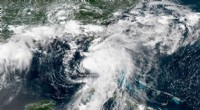
* Be aware of any unusual or extreme tidal conditions that may occur. These can include storm surges, which are large waves that can be generated by storms, and king tides, which are especially high tides that occur during certain times of the year.
By using tide tables, you can safely navigate the changing tides and enjoy your time on the water.