Phytoremediation:
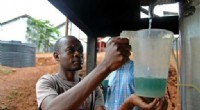
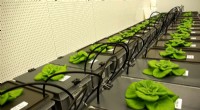
- Hemp is known for its phytoremediation abilities, effectively absorbing pollutants from soil and water, including heavy metals and other contaminants that have accumulated in the Everglades.
- By cultivating hemp in the right areas, it could play a role in remediating polluted waters, reducing nutrient pollution, and improving overall water quality.
Erosion Control:
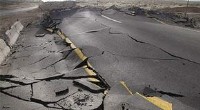
- The Everglades is vulnerable to erosion. Hemp's dense root system can help stabilize soil and prevent further erosion, protecting vulnerable areas and preserving ecological integrity.
Habitat Creation:
- Hem can provide shelter, nesting sites, and food resources for diverse wildlife, including birds, insects, and small mammals.
- Integrating hemp into the landscape can enhance biodiversity and support the health of native species.
Storm Mitigation:
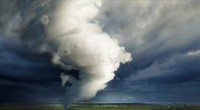
- Due to its strong and fibrous stalks, cultivating hemp stands strategically placed can act as natural barriers, helping buffer the impact of severe weather events like hurricanes.
Carbon Sequestration:
- Hemp has a high carbon sequestration capacity, meaning it can absorb and store significant amounts of carbon dioxide from the atmosphere.
- By cultivating hemp, the Everglades can contribute to carbon reduction and mitigate the effects of climate change.
Economic Opportunities:
- Developing a sustainable hemp industry in the region can create new income sources for local communities and support economic diversification.
- By-products from hemp, like fiber, seeds, and oil, have various commercial uses, expanding potential revenue streams.