The study, led by researchers at the University of Durham in the UK and the Indonesian Institute of Sciences (LIPI), used a combination of field observations, satellite data, and numerical modeling to investigate the relationship between the drilling activities and the mud volcano eruption.
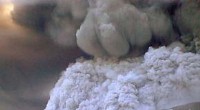
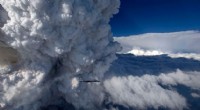
The Lusi mud volcano is located in East Java, Indonesia, and has been erupting continuously since May 2006. The eruption has caused extensive damage to the surrounding area, including villages, farmland, and infrastructure. It is estimated that the Lusi mud volcano has cost Indonesia billions of dollars and displaced hundreds of thousands of people.
The new study found that the drilling activities at the nearby gas well likely triggered the eruption of the mud volcano. The gas well was drilled into a fractured and over-pressured carbonate formation, which caused the release of large volumes of gas and water into the surrounding rocks. This led to the formation of a mud volcano that has continued to erupt to this day.
Key Findings of the Study
- The drilling operations created a pathway for high-pressure gas and fluids to escape from deep underground.
- The gas and fluids caused hydro-fracturing and fluidization of the surrounding sediments, leading to the formation of the Lusi mud volcano.
- The study highlights the importance of carefully considering geological hazards and potential environmental risks before drilling gas wells, particularly in areas with known subsurface geological complexities and over-pressured reservoirs.
The findings of the study have implications for the exploration and development of gas reserves in similar geological settings around the world. The researchers recommend that a comprehensive risk assessment be conducted before drilling gas wells in areas with over-pressured reservoirs and fractured formations to mitigate the risk of triggering mud volcano eruptions.