The map, created by the University of Cambridge, uses a range of data to score cities on their climate resilience, including their exposure to climate hazards, their adaptive capacity, and their governance and planning frameworks.
The map shows that some cities are much better prepared for climate change than others. For example, Copenhagen is ranked as the most resilient city in the world, thanks to its strong flood defences, its green infrastructure, and its commitment to sustainable development.
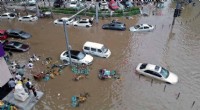
In contrast, some cities are particularly vulnerable to climate change. These include cities in low-lying coastal areas, such as Miami and Jakarta, which are at risk of flooding and sea-level rise. Other vulnerable cities include those in arid regions, such as Phoenix and Riyadh, which are at risk of drought and heatwaves.
The map is a valuable tool for cities to use in planning for climate change. It can help them to identify their strengths and weaknesses, and to prioritise areas for improvement.
For example, a city that is at risk of flooding could use the map to identify the areas that are most vulnerable, and to develop plans to protect those areas. A city that is at risk of drought could use the map to identify water-saving strategies, and to develop plans to secure alternative water supplies.
The map is also a reminder that climate change is a global problem that requires global cooperation. Cities cannot tackle climate change on their own. They need to work together to share knowledge and resources, and to develop joint strategies for adaptation and mitigation.
The map is a valuable tool that can help cities to plan for climate change and to build a more resilient future.