The Caribbean islands lie along the boundary where the North American Plate and the Caribbean Plate meet. The collision of these plates caused the subduction of the Caribbean plate beneath the North American plate. This process led to the formation of an arc-shaped chain of islands, formed from the material of the Caribbean plate that was pushed upwards from the subduction zone.
Magma production and volcanic activity
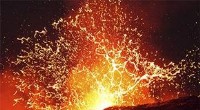
The subduction of the Caribbean Plate beneath the North American Plate caused the melting of the Caribbean Plate material, producing magma. This magma rises to the surface and forms volcanoes. The volcanic activity in the Caribbean islands is responsible for the formation of many of the islands, as well as their rugged topography and geothermal features.
Crustal deformation and uplift
The collision of the North American and Caribbean plates led to the deformation of the Earth's crust in the Caribbean region. This crustal deformation caused the uplift of the Caribbean islands, forming their mountainous landscapes.
Influence of trade winds
The Caribbean islands are also influenced by the trade winds, which are prevailing easterly winds that blow from the Atlantic Ocean across the Caribbean Sea. These winds contribute to the formation of rainforests and lush vegetation on the islands.
In summary, the Caribbean islands are the result of the collision of tectonic plates, which led to subduction, magma production, volcanic activity, crustal deformation, and the influence of trade winds. These processes have shaped the islands' geology, topography, and ecosystems.