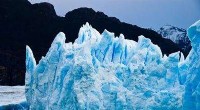
Of course, there is natural variability in Arctic sea ice extent. For example, the extent of Arctic sea ice typically increases during winter and decreases during summer. However, the long-term trend is clear: Arctic sea ice is melting at an accelerating rate.
The loss of Arctic sea ice has several consequences, including:
- Increased global warming, as the dark ocean absorbs more heat from the sun than the reflective sea ice.
- Changes in weather patterns, as the melting ice alters the temperature and pressure gradients in the atmosphere.
- Loss of habitat for polar animals, such as polar bears and seals.
- Increased coastal erosion, as the ice no longer protects coastlines from waves and storms.
- Changes in the global water cycle, as the freshwater from melting ice enters the ocean.
To mitigate the loss of Arctic sea ice and its associated consequences, it is necessary to reduce greenhouse gas emissions. This can be achieved by switching to renewable energy sources, improving energy efficiency, and planting trees. It will also be necessary to adapt to the changes that are already happening, such as building sea walls to protect coastlines from erosion and developing new shipping routes through the Arctic.
The loss of Arctic sea ice is a serious problem that is having a global impact. It is important to take action now to reduce greenhouse gas emissions and mitigate the effects of climate change.