Impacts of Climate Change on Hawaii
Hawaii is already facing several climate-related impacts, including:
* Rising sea levels: The ocean is rising at an accelerating rate, and Hawaii is expected to see up to 3 feet of sea level rise by the end of the century. This will cause coastal erosion, flooding, and damage to infrastructure and ecosystems.
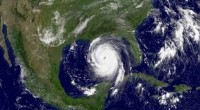
* Increasing storm intensity: Hurricanes and tropical storms are becoming more frequent and intense due to climate change. These storms can cause significant damage to Hawaii's infrastructure and economy, and they can also lead to loss of life.
* Changes in precipitation patterns: Climate change is expected to cause changes in precipitation patterns, including more frequent and intense rainfall events, as well as longer periods of drought. These changes can have a number of negative impacts, including increased flooding, water shortages, and impacts on agriculture.
* Ocean acidification: The ocean is becoming more acidic due to the absorption of carbon dioxide from the atmosphere. This can have a number of negative impacts on marine ecosystems, including damage to coral reefs and other important habitats.
* Changes in ecosystems: Climate change is expected to lead to changes in Hawaii's ecosystems, including shifts in species ranges and changes in the composition and structure of communities. These changes could have a number of negative impacts, including loss of biodiversity, reduced ecosystem services, and increased vulnerability to invasive species.
Hawaii's Climate Action Plan
In 2018, the state of Hawaii adopted a Climate Action Plan that outlines a number of goals and actions to reduce greenhouse gas emissions and prepare for the impacts of climate change. The plan includes the following key goals:
* Reduce greenhouse gas emissions by 45% below 2010 levels by 2030: This goal will be achieved through a variety of measures, including energy efficiency improvements, renewable energy development, and transportation electrification.
* Increase the resilience of Hawaii's communities and ecosystems to climate change impacts: This goal will be achieved through a number of measures, including improved coastal management, increased water conservation, and development of climate-resilient infrastructure.
* Educate and engage the public on climate change: This goal will be achieved through a variety of measures, including public outreach, education campaigns, and training for government officials and community leaders.
Progress on Climate Action
The state of Hawaii has made some progress in implementing its Climate Action Plan. In 2021, the state passed a law that requires all utilities to generate 100% of their electricity from renewable sources by 2045. The state has also invested in energy efficiency programs and has developed a number of climate change adaptation strategies.
However, more progress is needed to meet Hawaii's climate goals. The state is still heavily dependent on fossil fuels, and there is still much work to be done to reduce greenhouse gas emissions and prepare for the impacts of climate change.
Conclusion
The state of Hawaii is facing a number of significant challenges due to climate change. However, the state has taken steps to address the issue, and there is still much that can be done to prepare for the expected consequences. By working together, we can help to ensure that Hawaii is resilient to the impacts of climate change and continues to be a beautiful and vibrant place to live.