Iceland's Formation:
1. Plate Tectonics: Iceland sits on the Mid-Atlantic Ridge, a divergent plate boundary where the Eurasian and North American tectonic plates are spreading apart. As the plates move away from each other, new oceanic crust is formed in the gap between them.
2. Hot Spot: Beneath Iceland lies a hotspot, which is a plume of hot magma rising from deep within the Earth's mantle. This hot spot provides a continuous source of magma that feeds Iceland's volcanic activity.
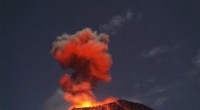
3. Volcanism: The combination of plate tectonics and the hotspot results in frequent volcanic eruptions in Iceland. As the plates move apart, magma rises to the surface and erupts, forming new land. The volcanic activity has built up the island over time, creating mountains, lava fields, and other unique geological features.
4. Diverse Landscapes: Iceland's volcanic activity has shaped a diverse range of landscapes, including volcanoes, lava fields, glaciers, geothermal areas, and waterfalls. The landscape is constantly evolving due to ongoing volcanic activity and the interplay between tectonic forces and the hot spot.
5. Relatively Young Geology: Compared to many other parts of the Earth, Iceland's geological features are relatively young. The oldest rocks on the island are less than 18 million years old, and much of the land has formed within the last few million years.
Distinction from the Gentle Early Earth:
In contrast to the gentle geological processes that shaped the Earth's early history, Iceland's formation is characterized by dramatic and ongoing volcanic activity. The interaction of plate tectonics and the hot spot has resulted in a dynamic and rapidly changing landscape. Iceland is a unique example of how geological processes can create complex and diverse landscapes in a relatively short geological timeframe.