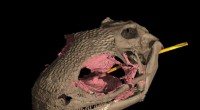
1. Jaw Structure: The structure of the jaw, including the shape and size of teeth, can indicate the types of food an animal was adapted to eat. For example, sharp, pointed teeth suggest a carnivorous diet, while broad, flat teeth are often associated with herbivorous animals.
2. Dental Wear: The wear patterns on teeth can also provide clues about diet. Animals that consume tough, abrasive foods, such as plants or bones, often have more pronounced wear on their teeth compared to those that eat softer foods.
3. Cranial Morphology: The overall shape of the skull, including the size and orientation of the eye sockets, can also offer insights into diet. Predatory animals often have forward-facing eyes that provide binocular vision, allowing them to accurately judge distances when hunting. Herbivores, on the other hand, may have eyes positioned on the sides of their heads, providing a wider field of view for detecting predators.
4. Muscle Attachment Sites: The skull provides attachment points for muscles used in feeding. The size and location of these attachment sites can indicate the strength and types of movements the animal's jaws were capable of, further informing dietary preferences.
5. Behavioral Adaptations: While skull shape and function can provide important clues about diet, they should be considered in conjunction with other factors, such as the animal's overall anatomy, behavior, and the available food resources in its environment. For instance, some animals may have adapted their behavior to consume a wider variety of foods, even if their skull structure suggests a specialized diet.
It is important to note that determining the precise diet of prehistoric creatures solely based on skull shape and function can be challenging due to the limited fossil record and the complexity of evolutionary adaptations. Scientists often combine various lines of evidence, including paleontological data, ecological studies, and comparative analyses, to reconstruct prehistoric diets and understand the feeding strategies of ancient organisms.