1. Polar Vortex: The frozen North, which includes areas like the Arctic and northern parts of Canada, Alaska, and Siberia, is located near the Earth's poles. The polar vortex is a large-scale atmospheric circulation system that forms near the poles during winter months. This vortex traps cold air and generates frigid temperatures in the polar regions.
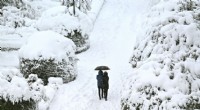
2. Low Temperatures: The cold temperatures in the frozen North cause the water vapor in the atmosphere to condense and freeze quickly, forming snowflakes. As these snowflakes fall, they accumulate on the ground, leading to heavy snowfall.
3. High Humidity: The frozen North tends to have high humidity levels due to the presence of vast water bodies like the Arctic Ocean and large freshwater lakes. This high humidity provides abundant water vapor that can condense into snowflakes.
4. Air Masses: Air masses that originate over warmer water bodies, such as the Gulf of Mexico, transport moisture northward. When these warm, moist air masses encounter the cold air in the polar regions, the water vapor condenses, forming clouds and precipitation.
5. Precipitation Mechanisms: Several weather systems can contribute to snowfall in the frozen North. Cyclones, which are large-scale storm systems, can bring significant amounts of moisture and precipitation to the region. Fronts, which are boundaries between air masses with different temperatures, can also cause heavy snowfall when warm, moist air meets cold, dry air.
6. Long Winter Nights: The frozen North experiences long winter nights due to its high latitude. This prolonged darkness allows for extended periods of radiative cooling, which further lowers temperatures and promotes snow formation.
These factors collectively contribute to the heavy snowfall and snow accumulation in the frozen North, making it one of the snowiest regions on Earth.