The Greenland ice sheet is melting at an accelerating rate. In the 1990s, the ice sheet was losing about 50 gigatons of ice per year. By the 2010s, that number had increased to about 280 gigatons of ice per year.
There are a number of factors that are contributing to the melting of the Greenland ice sheet. These include:
* Increasing air temperatures: The average temperature in Greenland has increased by about 3 degrees Celsius (5.4 degrees Fahrenheit) since the late 19th century. This warming is causing the ice sheet to melt from the surface.
* Changing ocean currents: The oceans around Greenland are warming, and this is causing the ice sheet to melt from the bottom.
* Increasing ice flow: The ice sheet is flowing faster than it used to, and this is causing more ice to reach the ocean, where it melts.
The melting of the Greenland ice sheet is having a number of consequences, including:
* Sea level rise: The melting of the Greenland ice sheet is contributing to sea level rise. Sea level has risen by about 20 centimeters (8 inches) since the late 19th century, and it is projected to rise by another 60 to 110 centimeters (24 to 43 inches) by the end of this century.
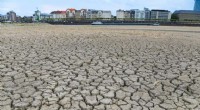
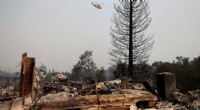
* Extreme weather events: The melting of the Greenland ice sheet is also contributing to extreme weather events, such as heat waves, droughts, floods, and wildfires.
* Changes in plant and animal life: The melting of the Greenland ice sheet is also causing changes in plant and animal life. Some plants and animals are moving to new areas, while others are becoming extinct.
The melting of the Greenland ice sheet is a serious problem that is having a number of negative consequences. It is important to take action to reduce greenhouse gas emissions and slow the rate of melting.