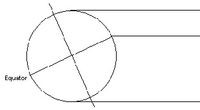
The formation of the shadow zone is a complex process that involves the movement of tectonic plates and the subduction of oceanic crust. As one tectonic plate moves beneath another, a deep trench is formed, and the descending plate plunges into the Earth's mantle. This process, known as subduction, creates immense heat and pressure, causing the water trapped within the subducting plate to be released.
The released water rises through the overlying mantle rock, forming pockets of hot, buoyant water known as hydrothermal plumes. These plumes eventually reach the ocean floor and erupt onto the seafloor, creating hydrothermal vents. The mineral-rich water from the vents cools and mixes with the surrounding seawater, forming massive sulfide structures that tower over the seafloor.
The hydrothermal vents become homes to diverse and unique ecosystems, thriving on the chemical energy released from the Earth's interior. However, not all the water released from the subducting plate finds its way to the seafloor. Some of it remains trapped within the porous rocks of the subducting plate, forming isolated pockets of ancient seawater.
Over millions of years, these pockets of trapped seawater become increasingly isolated from the rest of the ocean. They are shielded from the surface processes that would normally mix and dilute the water, allowing them to retain their original composition and chemical signatures. As a result, the water trapped in the shadow zone preserves a record of the ancient ocean's conditions, providing valuable insights into the Earth's long-term history and evolution.
Scientists are keenly interested in studying the shadow zone and its trapped water because it offers a rare glimpse into the past. By analyzing the chemical composition and properties of this ancient water, researchers can gain insights into the Earth's climate, ocean circulation, and tectonic activity millions of years ago. These studies help us understand how the Earth has changed over time and provide clues about the potential for life in extreme environments on other planets.
Exploring the shadow zone and its trapped water is a challenging endeavor that requires advanced technology and specialized research vessels capable of reaching the extreme depths of the ocean. However, the potential rewards of this exploration are immense, as it allows us to unlock the secrets of our planet's distant past and gain a better understanding of the dynamic processes that have shaped the Earth throughout its history.