1. Mitigation of Greenhouse gas emissions: The root cause of ice sheet melting is the rise in global temperature, primarily driven by greenhouse gases like carbon dioxide. By implementing ambitious global emission reduction targets and transitioning to renewable energy sources, we can significantly reduce the pace of ice sheet melt.
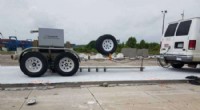
2. Surface albedo modification: This involves increasing the reflectivity of the ice surface to reduce the amount of solar energy absorbed. One approach is to spread highly reflective glass beads on the ice, helping to reflect sunlight and reduce melt rates. However, this method is highly speculative and comes with potential environmental concerns.
3. Offshore wind power and cold-air pooling: Offshore wind farms could potentially help cool surface temperatures in the Greenlandic fjords by mixing the water column. This cooling effect can reduce ice melt from beneath.
4. Marine cloud brightening: Adding sea salt particles to marine clouds through artificial seeding could increase cloud reflectivity and block incoming sunlight, resulting in regional cooling and reduced melting rates.
5. Cloud-seeding technology: Utilizing cloud-seeding techniques to enhance snowfall over Greenland could contribute to mass increase and ice sheet stabilization. However, this method requires further research and development to fully understand its potential impacts and feasibility.
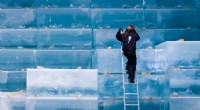
6. Geoengineering approaches: While controversial and speculative, some geoengineering proposals aim to address ice sheet melting. For instance, constructing artificial ice shelves or sea walls to buffer ice calving and protect vulnerable glaciers are being explored.
It's important to note that these techniques are still in the research or conceptual stage and require further investigation, assessment of potential unintended consequences, and broad collaboration among scientists, policymakers, and indigenous communities. Additionally, the success of these strategies relies heavily on decisive action to reduce greenhouse gas emissions and mitigate the underlying causes of ice sheet melt.