1. Detailed Ecosystem Simulation: Virtual technology enables the creation of detailed virtual ecosystems that mimic real coral reefs. These models incorporate factors like water temperature, nutrient levels, sunlight exposure, and interactions between marine organisms. Researchers can simulate various scenarios, such as different rates of temperature increase or changes in nutrient availability, to understand their effects on coral health and recovery.
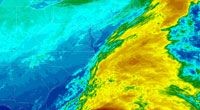
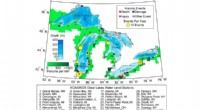
2. Data Integration and Analysis: Virtual technology facilitates the integration of vast amounts of data collected from field observations, remote sensing, and laboratory experiments. By overlaying and analyzing data within the virtual ecosystem, scientists can identify patterns, correlations, and feedback mechanisms that influence coral bleaching and recovery. This data-driven approach helps uncover the underlying dynamics of reef resilience.
3. Predictive Modeling: Virtual technology allows scientists to develop predictive models that forecast how coral reefs will respond to future environmental changes. By running simulations under different climate scenarios, researchers can assess the potential impacts of ocean warming, acidification, and pollution on coral reef health. This information supports conservation efforts and helps decision-makers develop strategies to protect vulnerable ecosystems.
4. Immersive Visualization: Advanced virtual reality (VR) and augmented reality (AR) technologies enable researchers and stakeholders to immerse themselves in virtual coral reefs. This immersive experience enhances understanding of the complex interactions and dynamics within the ecosystem. VR and AR also facilitate collaborative exploration and discussions among scientists, policymakers, and the general public, promoting awareness and engagement in coral reef conservation.
5. Educational Applications: Virtual technology provides powerful tools for science education and outreach. By creating interactive virtual coral reefs, students and the public can explore these ecosystems in a safe and engaging way. Virtual field trips, immersive learning experiences, and interactive simulations help foster a deeper appreciation for the importance of coral reefs and the need for their protection.
In conclusion, advanced virtual technology offers a transformative approach to studying coral reef recovery after bleaching events. By simulating ecosystems, integrating data, developing predictive models, providing immersive experiences, and supporting education, virtual technology empowers researchers, policymakers, and the public to understand and protect these critical marine habitats.