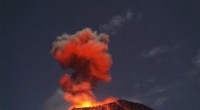
Here are some observations and indications that may have suggested the potential for an eruption:
1. Seismic Activity: Seismic monitoring around White Island recorded an increase in volcanic earthquakes in the weeks leading up to the eruption. These earthquakes can indicate magma movement or fluid flow within the volcano, suggesting potential unrest.
2. Gas Emissions: Measurements of volcanic gas emissions, particularly sulfur dioxide (SO2), showed a significant increase in the days before the eruption. Elevated gas emissions can be a sign of increased volcanic activity and the release of gases from magma.
3. Ground Deformation: Satellite-based observations and ground-based measurements detected subtle changes in the shape and elevation of the land near White Island. These ground deformations can be associated with magma movement and pressurization within the volcano.
4. Temperature Changes: Thermal monitoring using satellite imagery and ground-based cameras captured an increase in surface temperatures on White Island. This temperature increase could indicate the presence of hot magma near the surface.
5. Historical Eruptions: White Island has a history of eruptions, including several small eruptions in recent decades. Understanding the volcano's past activity can provide insights into its potential for future eruptions.
It's important to note that volcanic eruptions are complex natural phenomena, and predicting the exact timing and nature of an eruption is still challenging. Scientists use a combination of monitoring techniques, historical data, and geological studies to assess volcanic risks and communicate potential hazards to the public and authorities. However, despite these efforts, some eruptions may still occur with limited warning or may be difficult to predict accurately.