Methodology:
- The team analyzed leaf fossils from the La Colonia Formation in Patagonia and discovered that the diversity and abundance of plant species declined significantly during the last million years of the Cretaceous.
Key findings:
- They found a dramatic decrease in the number of fern species, which are typically adapted to wet and humid environments.
- The diversity and abundance of angiosperms (flowering plants) also declined, with the exception of a few hardy species that were able to survive the changing conditions.
- Analysis of the leaf physiognomy indicated a shift towards smaller leaves, thicker leaf margins and decreased leaf dissection.
Conclusions:
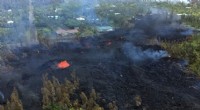
These results suggest that a period of global environmental change, possibly related to the Deccan volcanic eruptions, caused a widespread decline in plant diversity in southern Argentina.
The findings of this study have implications for understanding the broader effects of the end-Cretaceous extinction event on terrestrial ecosystems and the subsequent recovery of plant life during the early Paleogene.