Studying the temperature of these marine sediments could therefore help scientists identify areas where the risk of major earthquakes is highest. By targeting areas where sediments are hotter and, therefore, more likely to be slipping, scientists can better predict where and when the next big earthquake might occur.
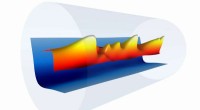
Researchers recently used sonar technology to map the temperatures beneath the seafloor off the coast of Alaska, where large earthquakes have been known to occur. They found that the temperature of the marine sediments in this region was higher than expected and correlated with areas where earthquakes were most likely to happen. This suggests that measuring sediment temperatures could indeed help to predict where future earthquakes may occur.
By better understanding the role of marine sediments in preventing earthquakes, scientists can develop improved earthquake early warning systems and mitigate potential damage to coastal communities and infrastructure.