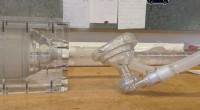
SHERLOC is a spectroscopic instrument that can identify the minerals and organic molecules present in rocks and soils. By studying the rocks on the floor of Jezero Crater, SHERLOC has detected the presence of carbonate minerals, which are typically formed in the presence of liquid water. The rover has also found evidence of chemical alteration of the rocks, which is consistent with the effects of long-term exposure to water.
This discovery suggests that Jezero Crater was once a much more habitable environment than it is today. The presence of liquid water and carbonate minerals provides a potential source of nutrients for life, and the chemical alteration of the rocks suggests that there may have been hydrothermal activity in the crater, which could have created even more favorable conditions for life.
The Perseverance rover is currently exploring the floor of Jezero Crater and searching for signs of past life. The discovery of evidence of sustained interactions with water is a promising sign that the rover may be able to find evidence of ancient Martian life.