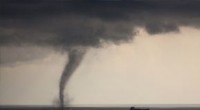
The rise of the sea surface temperatures primarily contributes to the growth of severe cyclones in the Arabian Sea. This increased warming provides the necessary energy required for cyclogenesis.
Several factors are responsible for the increase in tropical cyclones in the Arabian Sea:
1. Sea surface temperatures: The Arabian Sea has experienced a consistent increase in sea surface temperatures (SSTs) over the past few decades. Warmer waters provide more energy for cyclones to form and intensify and are the primary factor contributing to the increase in cyclone frequency.
2. Atmospheric conditions: Changes in atmospheric conditions, including variations in wind shear and vertical wind profiles, have also contributed to the increase in cyclones. These changes can make it more favorable for cyclones to develop and strengthen.
3. Climate change: Climate change is intensifying the conditions that favor cyclone formation. Rising SSTs and changes in atmospheric circulation patterns due to climate change are expected to further increase the frequency and intensity of tropical cyclones in the Arabian Sea.
4. Aerosols: Aerosols are small particles suspended in the atmosphere that can influence cloud formation and precipitation. Changes in aerosol concentrations, such as those resulting from pollution, can affect the development of cyclones.
5. Natural variability: Natural climate variability can also play a role in the frequency and intensity of cyclones. Factors such as the El Niño-Southern Oscillation (ENSO) can influence the conditions in the Arabian Sea and affect cyclone activity.
The increase in the frequency of tropical cyclones in the Arabian Sea poses significant risks to coastal communities and ecosystems. These cyclones bring heavy rainfall, storm surges, and strong winds, resulting in flooding, infrastructure damage, loss of life, and economic disruption. Additionally, the changing climate is likely to further intensify these impacts, making it crucial for coastal regions to implement adaptation and mitigation strategies.