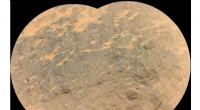
Formation: Mud volcanoes are commonly found in areas associated with petroleum deposits or active tectonic areas like subduction zones or rift zones. Pressurized fluids deep within the Earth, resulting from the decomposition of organic matter or geothermal processes, gradually work their way upwards through fissures and weak spots in the ground.
Structure: Mud volcanoes typically consist of a central cone or mound built up from repeated eruptions of mud, creating hills that can range in size from a few meters to several hundred meters high. The surface of the cone often shows signs of recent activity, such as fresh mud flows and small craters. Surrounding the cone, you may find mudflows, pools of liquid mud, and scattered mud clasts.
Eruptions: Mud volcanoes erupt periodically, releasing a mixture of fine-grained sediment, water, and gases such as methane, carbon dioxide, and hydrogen sulfide. During an eruption, a forceful jet of hot or cold mud shoots upwards from the ground and falls back onto the cone's surface. These events can occur regularly or be separated by long periods of dormancy.
Gas Vents: In association with mud volcanoes, you may also find nearby gas vents and seeps where only gases escape without the mud component. These gas emissions can contribute to unique environments around the volcano, creating ecosystems dependent on chemosynthesis, as opposed to photosynthesis.
Ecological Significance: The mud and fluids expelled by mud volcanoes are rich in various minerals and nutrients that influence the surrounding ecosystems. They provide habitats for specialized microbial communities that thrive in extreme conditions and utilize the expelled gases and chemicals for energy production.
Geographic Distribution: Mud volcanoes are found in different parts of the world, from onshore to offshore environments. Some notable regions known for mud volcanoes include Azerbaijan, Indonesia, Italy, Romania, Trinidad and Tobago, and the Gulf of Mexico in the United States.
Studying mud volcanoes helps scientists gain insights into geological processes, subsurface pressures, and the Earth's dynamics. Understanding the behavior of mud volcanoes may contribute to assessing potential hazards related to fluid and gas movements, as well as providing clues about petroleum reservoirs and hydrocarbon exploration.