Smoke plumes from megafires, exceptionally large and intense wildfires, have become increasingly prevalent and pose significant environmental and public health concerns. To better understand these massive smoke plumes, recent research has delved into their composition, behavior, and potential impacts. Here's a summary of the key findings from this research:
1. Composition and Emissions:
- Megafire smoke plumes contain a complex mixture of pollutants, including particulate matter (PM), carbon monoxide (CO), nitrogen oxides (NOx), ozone (O3), volatile organic compounds (VOCs), and toxic air pollutants such as benzene and formaldehyde.
- The composition of smoke plumes varies depending on the type of vegetation burned and the combustion conditions.
2. Vertical Distribution and Transport:
- Smoke plumes from megafires can reach the stratosphere, the layer of the atmosphere above the troposphere, where weather occurs.
- Large-scale atmospheric circulation patterns, such as jet streams, can transport smoke plumes over long distances, even across continents.
3. Impact on Air Quality:
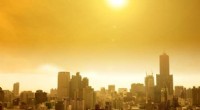
- Megafire smoke plumes significantly degrade air quality, reducing visibility and causing respiratory problems, including asthma and other health issues.
- Wildfire smoke can reduce air quality hundreds to thousands of miles away from the fire's origin, affecting both rural and urban areas.
4. Climate Impacts:
- Smoke plumes from megafires can alter weather patterns and contribute to regional climate change.
- Particulate matter and aerosols in the smoke can affect cloud formation and alter the Earth's energy balance, leading to changes in temperature and precipitation.
5. Health Effects:
- Exposure to smoke from megafires can cause various health problems, including respiratory issues, cardiovascular complications, and increased mortality.
- Certain populations, such as children, the elderly, and individuals with preexisting health conditions, are particularly vulnerable to the adverse health effects of smoke inhalation.
6. Fire-Weather Feedback:
- Smoke plumes from megafires can influence fire behavior by altering atmospheric stability and creating pyrocumulus clouds, which are clouds that form due to heat from wildfires.
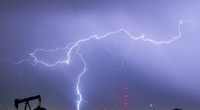
- These pyrocumulus clouds can generate lightning, potentially igniting new fires and exacerbating the fire-weather feedback loop.
7. Mitigation Strategies:
- Research emphasizes the need for proactive planning, early warning systems, and enhanced communication during megafire events to reduce public health risks.
- Improved forest management practices, vegetation management, and controlled burns can help mitigate the occurrence and severity of megafires.
In conclusion, recent research on megafire smoke plumes underscores the urgent need to understand and address the environmental and public health impacts of these extreme events. By unraveling the composition, transport, and effects of megafire smoke, researchers aim to inform policymaking, improve air quality management, and develop mitigation strategies to protect vulnerable communities.