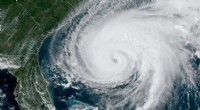
One of the biggest challenges in managing hurricane-related supply chains is the lack of visibility. This can make it difficult to track the location and status of supplies, which can lead to delays and shortages. To improve visibility, supply chain managers should use technology to track the movement of supplies and inventory levels. This information can be used to make informed decisions about how to allocate resources and respond to disruptions.
2. Develop a robust disaster recovery plan.
A disaster recovery plan is essential for any organization that wants to be able to respond effectively to a hurricane. This plan should include procedures for evacuating personnel, securing facilities, and restoring operations. It should also identify critical suppliers and establish backup plans in case these suppliers are disrupted.
3. Diversify the supply chain.
Relying on a single supplier for hurricane-related supplies can be risky. If that supplier is disrupted, it can cause major problems for the entire supply chain. To mitigate this risk, supply chain managers should diversify their supply chain by working with multiple suppliers. This will help to ensure that supplies can still be obtained even if one or more suppliers are disrupted.
4. Build up inventory levels.
Having a sufficient level of inventory on hand can help to mitigate the impact of hurricane-related disruptions. This is because inventory can be used to meet demand when suppliers are unable to deliver. However, it is important to strike a balance between holding too much inventory and too little inventory. Too much inventory can tie up capital and increase the risk of obsolescence, while too little inventory can lead to shortages.
5. Collaborate with other organizations.
Collaboration with other organizations can help to improve the resilience of hurricane-related supply chains. This can involve sharing information, resources, and best practices. It can also involve developing joint disaster recovery plans. By working together, organizations can better prepare for and respond to hurricanes.
6. Use technology to improve supply chain efficiency
Technology can play a vital role in improving the efficiency of hurricane-related supply chains. For example, supply chain management software can help organizations to track inventory levels, manage orders, and optimize transportation routes. This can help to reduce costs and improve response times. Additionally, real-time data collection and analysis can help organizations to identify and mitigate potential disruptions.
7. Educate supply chain partners about hurricane preparedness
It is important to educate supply chain partners about hurricane preparedness so that they can take steps to protect their operations. This includes providing information about hurricane risks, developing disaster recovery plans, and stockpiling supplies. By working together, organizations can create a more resilient hurricane-related supply chain.
8. Monitor the weather forecast and stay informed
Closely monitoring the weather forecast and staying informed about the latest hurricane updates can help organizations to make informed decisions about how to prepare for and respond to a hurricane. This information can be used to evacuate personnel, secure facilities, and adjust inventory levels.
9. Test the disaster recovery plan
It is important to test the disaster recovery plan regularly to ensure that it is effective. This can be done by conducting drills and exercises. By testing the plan, organizations can identify any weaknesses and make necessary improvements.
10. Continuously improve the supply chain
The hurricane-related supply chain should be continuously improved to ensure that it is as resilient as possible. This can be done by identifying and mitigating risks, implementing new technologies, and collaborating with other organizations. By continuously improving the supply chain, organizations can better prepare for and respond to hurricanes.