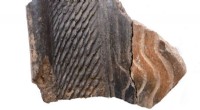
A new model developed by researchers at the University of Alberta provides insight into how diamond-carrying rocks formed in northern Alberta. The model suggests that the diamonds were created by a combination of high pressure and temperature, and that the rocks were then transported to the surface by volcanic activity.
Diamonds are formed when carbon is subjected to extremely high pressure and temperature. In the case of the diamonds found in northern Alberta, the pressure and temperature were created by the subduction of the North American Plate beneath the Pacific Plate. As the North American Plate moved beneath the Pacific Plate, it was heated and compressed, causing the carbon in the rocks to crystallize into diamonds.
The diamonds were then transported to the surface by volcanic activity. As the subducted North American Plate melted, it produced magma that rose to the surface and erupted as volcanoes. The volcanic eruptions carried the diamonds to the surface, where they were eventually found by miners.
The new model provides a better understanding of how diamond-carrying rocks formed in northern Alberta. This information could be used to help prospect for new diamond deposits in the area.
Significance of the research
The new model developed by the University of Alberta researchers is significant because it provides a better understanding of how diamond-carrying rocks formed in northern Alberta. This information could be used to help prospect for new diamond deposits in the area, which could have a significant economic impact on the region.
The model also has implications for our understanding of the Earth's interior. The conditions that created the diamonds in northern Alberta are similar to those that exist in the Earth's mantle. This suggests that the mantle may contain significant amounts of diamonds, which could have implications for our understanding of the Earth's composition and evolution.
Future research
The new model developed by the University of Alberta researchers is a significant step forward in our understanding of how diamond-carrying rocks formed in northern Alberta. However, there is still much that we do not know about the diamond-forming process. Future research will focus on investigating the following questions:
* What is the exact composition of the rocks that produce diamonds?
* What are the conditions that are necessary for diamond formation?
* How are diamonds transported to the surface?
Answering these questions will help us to better understand the diamond-forming process and to prospect for new diamond deposits.