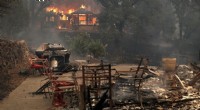
Here's how Arctic ice melt can raise the risk of wildfires:
1. Changes in atmospheric circulation: The warming Arctic can disrupt the normal atmospheric circulation patterns, leading to changes in wind patterns and storm tracks. These changes can cause extreme weather events, such as heatwaves, droughts, and strong winds, which can create favorable conditions for wildfires.
2. Drying out of peatlands: Permafrost, which is permanently frozen ground, is widespread in the Arctic region. As the Arctic warms, permafrost thaws, releasing large amounts of methane, a potent greenhouse gas. Additionally, the thawing permafrost causes the ground to become drier, making it more susceptible to wildfires.
3. Earlier snowmelt: With rising temperatures, snowmelt occurs earlier in the spring in the Arctic. This exposes dry vegetation and organic matter that can easily catch fire. The earlier snowmelt also extends the wildfire season, providing more time for fires to start and spread.
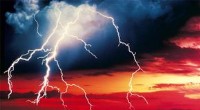
4. Increased lightning strikes: The warming Arctic also leads to increased lightning strikes, which are a major cause of wildfires. As the atmosphere becomes warmer and more unstable, the frequency and intensity of thunderstorms increase, resulting in more lightning strikes.
5. Feedback mechanisms: Wildfires themselves can further amplify the warming of the Arctic. When forests burn, they release large amounts of carbon dioxide and other greenhouse gases into the atmosphere, contributing to further climate change. Additionally, wildfires can darken the surface of the Earth, causing it to absorb more solar radiation and intensifying the warming effect.
These factors, all linked to Arctic ice melt, can significantly increase the risk of wildfires in regions far from the Arctic, such as the western United States, Canada, and Siberia. As Arctic ice continues to melt at an accelerated pace, the risk of large-scale and devastating wildfires is expected to rise in these regions, posing a significant threat to ecosystems, human communities, and infrastructure.