Sea-Level Fluctuations:
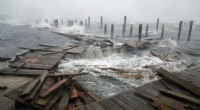
1. Marine Inundation: During this period, the South Pole was located much closer to the equator, and sea levels were significantly lower. As sea levels rose due to increased global temperatures, the polar regions experienced marine inundation. This flooding led to the transgression of shallow seas and the creation of new marine habitats, enabling a greater diversity of marine species to thrive.
2. Loss of Terrestrial Habitats: The rising sea levels submerged vast areas of coastal land and shallow continental shelves, which had previously served as habitats for terrestrial organisms. This resulted in a reduction in the distribution of terrestrial ecosystems and an expansion of marine environments.
Climate Shifts:
1. Warmer Waters: The Devonian Period was characterized by an overall warmer climate, including in the polar regions. This rise in temperatures significantly impacted the marine environment by altering water conditions and affecting the distribution and behavior of marine species.
2. Increased Carbon Dioxide Levels: The warmer climate led to increased levels of carbon dioxide in the atmosphere, which caused the acidification of seawater. Acidification impacted the ability of marine organisms, such as corals and mollusks, to build and maintain their calcium carbonate skeletons. This posed a challenge to their survival and contributed to shifts in marine biodiversity.
3. Anoxic Events: The combination of warmer temperatures and increased carbon dioxide levels also resulted in periodic anoxic events, where the oxygen levels in the oceans dropped drastically. Anoxia caused widespread mortality among marine organisms, leading to changes in ecosystem structure and composition.
Ecological Consequences:
1. Migration and Adaptation: The changing environmental conditions forced marine species to migrate to more suitable habitats or adapt to the changing climate and water conditions. This led to the evolution and diversification of new marine species that were better adapted to the altered environment.
2. Changes in Food Webs: The shifts in species composition and distribution disrupted the existing food webs, affecting predator-prey relationships and overall ecosystem dynamics. New ecological niches emerged, allowing for the rise of new dominant species and changes in trophic interactions.
3. Mass Extinction Event: The end of the Devonian Period was marked by a mass extinction event that wiped out approximately 75% of all marine species. This extinction event is believed to have been triggered by a combination of factors, including climate-driven changes in ocean circulation, sea-level fluctuations, and the release of toxic gases.
The combined effects of sea-level fluctuations and climate shifts during the Devonian Period significantly altered the marine ecosystems at the South Pole, driving changes in biodiversity, species distributions, and ecological interactions. These changes paved the way for the evolution and diversification of new marine species and ecosystems that adapted to the evolving environmental conditions.