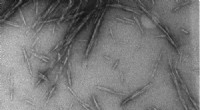
1. Paleoclimatology: Tiny fossils are remnants of ancient organisms that lived in specific environments millions or even hundreds of millions of years ago. By analyzing the fossilized remains of these organisms, scientists can reconstruct past environmental conditions, including temperature, salinity, acidity, and nutrient availability. This information helps paleoclimatologists understand the Earth's climate history and identify long-term climate trends.
2. Temperature Records: Certain species of foraminifera and diatoms are sensitive to temperature changes. By examining the size, shape, and abundance of these fossils in sediment cores, scientists can estimate past ocean temperatures. This data is crucial for understanding how the Earth's climate has varied over time and how it may respond to future warming.
3. Sea Level Changes: Tiny fossils can also indicate changes in sea level. For example, the presence of marine microfossils in ancient sedimentary rocks found far inland suggests that the sea level was once higher. Conversely, the absence of marine fossils in regions that are currently underwater indicates past periods of lower sea levels. These findings help scientists understand the dynamics of sea level rise and fall, which are influenced by factors like melting ice caps and changes in ocean circulation patterns.
4. Paleoceanography: Tiny fossils can provide information about past ocean currents, circulation patterns, and water masses. By studying the distribution of microfossils in marine sediments, scientists can reconstruct ancient oceanographic conditions. This knowledge is important for understanding how the ocean interacts with the atmosphere and how changes in ocean circulation can impact global climate patterns.
5. Ecological Changes: Tiny fossils can also reveal changes in past ecosystems and ecological communities. By analyzing the abundance and diversity of microfossils in different layers of sediment, paleontologists can identify shifts in species composition over time. These changes may be related to climate variations, environmental disturbances, or competitive interactions between species.
6. Biotic Responses to Climate Change: Tiny fossils can help scientists understand how past organisms responded to changing climate conditions. By studying the evolutionary adaptations and extinctions of ancient microorganisms, researchers can gain insights into the potential impacts of future climate change on modern ecosystems and biodiversity.
Overall, tiny fossils serve as valuable archives of past environmental conditions and provide crucial evidence for understanding the Earth's changing climate. By studying these microfossils, scientists can reconstruct past climates, identify long-term trends, and gain insights into how ecosystems and species have responded to climate changes in the past. This knowledge is essential for developing climate models and predicting future climate scenarios.