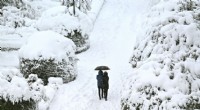
The snowpack serves as a natural reservoir, storing water during the winter months and releasing it slowly throughout the spring and summer. This water is essential for drinking, agriculture, and hydropower generation in California. However, the low snowpack levels mean that there will be less water available for these purposes during the coming months.
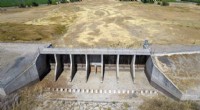
The drought has exacerbated the impact of the low snowpack. California has been experiencing a prolonged drought for several years, and the lack of precipitation has reduced the amount of water available to replenish the snowpack. This has resulted in a downward spiral, where the lack of snowpack leads to less water available for storage, which in turn leads to lower snowpack levels.
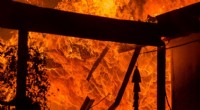
The low snowpack has also raised concerns about the state's wildfire risk. Dry vegetation and low moisture levels increase the likelihood of wildfires, and the lack of snowpack means that there is less water available to fight fires. This could lead to more destructive and widespread wildfires, which can cause damage to infrastructure and ecosystems.
The low snowpack is a significant challenge for California's water supply and wildfire risk. The state will need to take proactive steps to manage the water shortage, such as increasing water conservation efforts and investing in infrastructure to store and distribute water more efficiently. Additionally, measures will need to be taken to reduce the wildfire risk, such as clearing dead vegetation and enhancing firefighting capabilities.
By taking these steps, California can mitigate the impact of the low snowpack and protect its water supply and communities.