Hydrological modifications: Drainage and water management practices in the Everglades, such as the construction of canals and levees, have disrupted the natural flow of water. This has led to changes in the water table levels, causing the peat soils to dry out and decompose, resulting in subsidence.
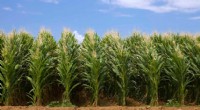
Agricultural practices: Historically, the Everglades was a vast freshwater marsh. However, large portions of the area have been converted for agricultural purposes, including sugar cane cultivation. The weight of heavy machinery and drainage of wetlands for agriculture have contributed to soil compaction and subsidence.
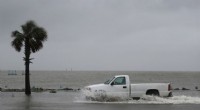
Sea-level rise: As a coastal region, the Everglades is susceptible to the impacts of sea-level rise, which exacerbates sinking soils. As the sea level rises, it exerts pressure on the land, causing the peat soils to compress and sink.
While climate change does influence sea-level rise, the sinking soils in the Everglades are not directly attributed to climate change alone. Rather, it is the combination of historical human activities, agricultural practices, and the effects of sea-level rise that are the primary drivers of soil subsidence in the region.