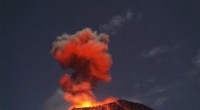
One of the most striking features of the Columbia River Gorge is its steep, basalt cliffs. These cliffs were formed by volcanic eruptions that occurred between 17 and 6 million years ago. As magma rose to the surface, it cooled and solidified, forming layers of basalt. Over time, the Columbia River carved its way through these layers, exposing the cliffs that we see today.
In addition to volcanic activity, the Columbia River Gorge was also shaped by water. The river's powerful currents have eroded the cliffs over time, creating the narrow, winding gorge that we know today. The gorge is also home to several waterfalls, including Multnomah Falls, which is the tallest waterfall in Oregon. These waterfalls were formed as the river carved its way through the basalt cliffs.
The combination of magma and water has created a unique and beautiful landscape in the Columbia River Gorge. The towering cliffs, lush forests, and mighty waterfalls are a testament to the power of these two natural forces.
Here is a more detailed explanation of how magma and water shaped the Columbia River Gorge:
1. Volcanic eruptions: The Columbia River Gorge was formed by a series of volcanic eruptions that occurred between 17 and 6 million years ago. These eruptions produced large amounts of lava, which flowed across the landscape. As the lava cooled, it solidified into basalt, a dark, fine-grained volcanic rock.
2. Erosion by water: Over time, the Columbia River carved its way through the basalt cliffs, creating the narrow, winding gorge that we see today. The river's powerful currents have also eroded the cliffs, creating the steep, sheer faces that are characteristic of the gorge.
3. Formation of waterfalls: The Columbia River Gorge is home to several waterfalls, including Multnomah Falls, which is the tallest waterfall in Oregon. These waterfalls were formed as the river carved its way through the basalt cliffs. As the river fell over the cliffs, it created plunge pools, which are deep, circular holes in the rock. Over time, the plunge pools became enlarged, and the waterfalls became taller.
The Columbia River Gorge is a beautiful and dynamic landscape that is constantly changing. The forces of magma and water continue to shape the gorge, and new features are being created all the time.