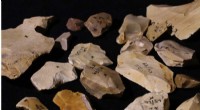
Archaeologists have uncovered numerous pottery fragments known as "cooking pots" or "storage jars" in the ruins of Jerusalem. These pots were commonly used in households for storing and cooking food. However, the shards recovered from the destruction layer, dating to the Babylonian siege, display telltale signs of exposure to extreme heat.
Some of the potsherds exhibit a phenomenon called vitrification, where the clay of the pottery melts and fuses due to the intense heat. The high temperature causes the clay to undergo chemical changes, resulting in a glassy or ceramic-like appearance. Vitrified potsherds are often found in areas of extreme conflagration, such as the ruins of ancient buildings destroyed by fire.
Furthermore, many of the pottery shards exhibit fire clouding, which refers to the discoloration and clouding of the ceramic glaze or surface due to the temperature fluctuation during heating. This effect creates a hazy, milky, or iridescent appearance on the pottery, indicating that it was subjected to high temperatures.
The presence of vitrified and fire-clouded pottery shards confirms the account of the destruction of Jerusalem, as recounted in the biblical narrative. The widespread evidence of intense fire suggests that the Babylonian army likely set fire to the city, resulting in the destruction of buildings, homes, and significant damage to the infrastructure of ancient Jerusalem.
The analysis of these pottery shards provides tangible evidence of the devastating event that occurred in 586 BCE and offers a glimpse into the magnitude of the destruction that Jerusalem endured during the Babylonian siege.