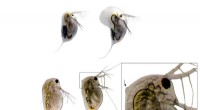
Deep beneath the surface of the world's oceans, a tiny, almost invisible creature known as krill plays a vital role in the ecosystem, acting as a lynchpin species that supports a vast web of marine life. However, with rising ocean temperatures due to climate charge, krill populations face daunting challenges.
Scientists are looking closely at krill's adaptations to gain insight into how marine species might overcome warmer waters and maintain ecological balance.
A primary strategy employed by krill involves shifting their distribution patterns to find more favorable environmental conditions. Some krill species have been observed moving towards cooler, deeper regions of the ocean, seeking respite from the increasing surface temperatures. This migration pattern, if sustained, could alter the dynamics of the food web in different marine ecosystems.
Another critical adaptation is krill's ability to adjust their reproductive cycles in response to changing conditions. Some species of krill are able to compress or extend their reproductive periods, aligning their life cycles with the availability of food sources. This adaptability enhances their chances of survival and the continuation of their populations in changing environmental circumstances.
Krill's unique physiology also plays a role in their resilience. They have evolved enzymes and proteins that enable them to tolerate higher levels of carbon dioxide in seawater, which would be detrimental to many other marine organisms. This capacity to withstand the acidity of warming oceans gives krill a competitive edge in a rapidly changing environment.
To support their survival, krill display a remarkable flexibility in their dietary habits. While many are known as filter feeders, some krill species have adapted to consume different food sources, including microalgae and zooplankton. By diversifying their diets, krill enhance their chances of finding sufficient nourishment even as preferred prey species become scarce.
By studying krill adaptations, scientists and conservationist are gaining valuable knowledge and insight into how marine species can cope with the challenges posed by a changing climate. While challenges ahead are significant, understanding these adaptations provides hope that certain species may possess the resilience needed to adapt to the warming oceans, mitigating the potential impact on marine biodiversity and the delicate ecosystem they support.
In conclusion, the study of krill adaptations offers a window into the resilience of life in a changing environment. By comprehending the strategies employed by these tiny creatures, humanity may gain a deeper understanding of the adaptability and potential for survival of marine specifies in a warming world.
With this knowledge, we can formulate more effective conservation and management strategies to protect these vulnerable ecosystems and ensure the continued vibrancy of the ocean's inhabitants.