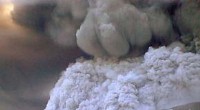
Supereruptions are rare but catastrophic events in Earth's history. They can produce immense volumes of magma and spew ash and debris into the atmosphere, leading to worldwide climate disruptions and long-lasting environmental consequences. Understanding how these supereruptions occur and how they are linked to magma systems deep beneath Earth's surface is crucial for assessing volcanic hazards and mitigating their impacts.
The researchers used a combination of geophysical imaging, geochemical analyses, and computer modeling to investigate magma systems in Yellowstone National Park, United States, and the Toba Caldera in Indonesia. These regions have experienced supereruptions in the past and are considered potential hotspots for future large-scale volcanic activity.
Their findings suggest that supereruption-feeding magma systems undergo a complex sequence of processes over long periods. Magma initially accumulates in deep storage chambers within the Earth's crust, and then undergoes periodic injections of new magma from deeper sources. This influx of fresh magma can destabilize the system and lead to a rapid increase in magma volume.
As the magma system grows and becomes more pressurized, it starts to deform the surrounding rocks. Researchers observed subtle surface uplift and changes in seismic wave velocities, indicating the presence and growth of pressurized magma bodies. They also found that these systems show signs of intermittent volcanic activity before supereruptions, which may provide early warnings of potential large-scale eruptions.
The study provides a better understanding of the conditions and processes required for supereruptions to occur. It highlights the importance of monitoring surface deformation, seismic activity, and geochemical signals to detect the development and evolution of large magma systems. Early detection and characterization of these systems can contribute to more accurate volcanic hazard assessments and potentially save lives and property in the event of future supereruptions.
Further research is needed to validate these findings and gain a comprehensive understanding of the factors controlling supereruption occurrence. International collaboration and the integration of various scientific disciplines will be key to mitigating the risks associated with these devastating volcanic events and protecting vulnerable communities.