1. Precipitation and Runoff:
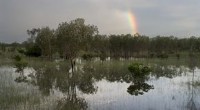
- Changes in global precipitation patterns can significantly alter the amount of water available for runoff and sediment transport in a young rift. Increased precipitation during wet periods leads to higher runoff and enhanced sediment input into the basin. Conversely, drier periods reduce runoff and sediment supply.
2. Vegetation Cover:
- Global climate influences the distribution and density of vegetation cover within the rift basin and its surrounding areas. Dense vegetation stabilizes soils and reduces erosion, thereby limiting sediment input during wet periods. Conversely, sparse vegetation cover, often associated with drier climates, increases the vulnerability of soils to erosion and enhances sediment input.
3. Sediment Characteristics:
- Global climate can influence the characteristics of sediments delivered to the basin. For example, during periods of intense rainfall, coarse-grained sediments (such as gravels and sands) may be transported and deposited in the basin. In contrast, finer-grained sediments (such as silts and clays) may dominate under more moderate rainfall conditions.
4. Evaporation and Salinity:
- Global climate affects the rate of evaporation from the rift basin. Increased evaporation during warm and dry periods can lead to higher salinity levels in the basin waters. High salinity can impact the ecological conditions and water quality within the basin.
5. Hydrothermal Activity:
- In some young rift basins, hydrothermal activity can be influenced by global climate changes. Variations in precipitation and groundwater recharge can affect the circulation of hydrothermal fluids, leading to changes in the temperature, chemistry, and discharge of hydrothermal springs.
6. Vegetation and Land Use Changes:
- Global climate change can drive changes in vegetation distribution, agricultural practices, and land use patterns in the wider region surrounding the rift basin. These changes can indirectly impact sediment input and basin water conditions by altering runoff patterns, soil erosion rates, and nutrient inputs.
Overall, global climate influences sediment input and basin water conditions in a young rift through its effects on precipitation, runoff, vegetation cover, evaporation, salinity, hydrothermal activity, and land use changes. Understanding these linkages is crucial for assessing the long-term evolution of rift basins and managing water resources in these dynamic environments.