1. Plate Tectonics:
- Mantle convection currents drive the movement of tectonic plates, leading to the formation of mountains, volcanoes, and ocean basins.
- As plates move and interact, they collide, slide past each other, or spread apart, giving rise to different plate boundaries and associated surface features.
2. Mountain Building:
- When tectonic plates collide, the process of orogeny begins, resulting in the formation of mountain ranges.
- The collision and compression of plates cause the Earth's crust to thicken and uplift, forming mountains like the Himalayas, the Andes, and the Alps.
3. Volcanic Activity:
- Mantle movements lead to the partial melting of rocks within the mantle, generating magma.
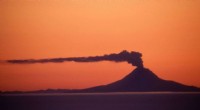
- Magma rises to the surface and erupts as lava, forming volcanoes.
- Volcanic activity can build up new landforms, such as volcanic cones, lava domes, and ash plains, altering the surface topography.
4. Mid-Ocean Ridges:
- Convection currents within the mantle cause the upwelling of hot materials, leading to the formation of mid-ocean ridges.
- Mid-ocean ridges are extensive underwater mountain ranges where new oceanic crust is constantly created as magma rises and solidifies.
5. Ocean Basins:
- As plates move away from each other at mid-ocean ridges, new ocean basins are formed.
- The spreading of the seafloor contributes to the expansion of the ocean basins, influencing ocean currents, climate patterns, and the distribution of marine life.
6. Rift Valleys:
- When tectonic plates move apart, it creates a rift valley, which can eventually become a new ocean basin.
- Rift valleys are characterized by deep troughs and faults, where the Earth's crust thins and volcanic activity may occur.
7. Earthquakes:
- Mantle movements can cause sudden shifts and movements of tectonic plates, resulting in earthquakes.
- Earthquakes release seismic energy, which can cause ground shaking, landslides, tsunamis, and damage to infrastructure.
8. Land Subsidence and Uplift:
- Mantle processes, such as changes in magma pressure or glacial rebound, can cause land subsidence or uplift.
- Subsidence can lead to the formation of coastal plains, wetlands, and estuaries, while uplift can create elevated plateaus or rejuvenate mountain ranges.
9. Geysers and Hot Springs:
- Mantle heat can cause groundwater to become heated and pressurized, leading to the formation of geysers and hot springs.
- These features create unique surface expressions and contribute to geothermal energy potential in certain regions.
Overall, mantle movements are responsible for the dynamic and evolving nature of the Earth's surface. Through plate tectonics, volcanic activity, mountain building, and other geological processes driven by mantle convection, the Earth's surface is continuously shaped and reshaped over millions of years.