1. Volcanic Eruption Type:
- The volcanic eruption in Iceland is characterized as a fissure eruption, where magma rises through a long crack or fissure in the Earth's surface.
2. Location:
- The eruption is taking place in an uninhabited valley on the Reykjanes Peninsula, south of the capital city of Reykjavik, Iceland.
3. Eruption Duration and Frequency:
- Volcanic activity began on March 19 and has continued since then, with ongoing periods of lava flow.
- The eruption is characterized by intermittent bursts of lava, accompanied by pauses in activity.
4. Lava Flow:
- The lava flow from the eruption is confined to a narrow valley, preventing significant damage to infrastructure and inhabited areas.
- The lava flow is moving slowly and has not posed any immediate threats to human life or property.
5. Ash Plume and Volcanic Gas:
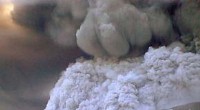
- The volcanic eruption has generated an ash plume that reaches several kilometers into the atmosphere.
- Volcanic gas emissions, such as sulfur dioxide, are being monitored to assess potential impacts on air quality.
6. Seismic Activity:
- The eruption has been accompanied by a significant number of earthquakes, ranging from low-magnitude to moderate-magnitude tremors.
7. Tourism and Safety Measures:
- The eruption has attracted a large number of tourists and visitors, who are flocking to the area to witness the natural phenomenon.
- Access to the eruption site has been restricted, with controlled entry points to ensure public safety.
8. Impact on Flights and Airport Operations:
- The eruption initially posed concerns due to its proximity to Keflavík International Airport. However, flight operations have not been significantly affected, as prevailing wind patterns have kept ash clouds away from flight paths.
9. Research and Monitoring:
- Scientists are closely monitoring the eruption using various techniques, including satellite imagery, gas measurements, and seismic sensors, to understand its behavior and potential risks.
10. Potential Risks:
- While the eruption is not considered to be posing a significant threat to surrounding areas, risks associated with volcanic activity remain, including potential lava flow changes, ash plume dispersion, and ground deformation.
It's important to note that the situation is constantly evolving, and further updates and information may emerge in the coming days.