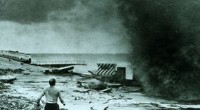
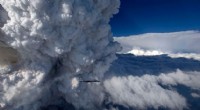
The cataclysmic eruption of Krakatoa was an unprecedented spectacle of sheer force and seismic tremors that reverberated across the globe. The volcanic blast was so intense that it obliterated almost two-thirds of the original island. Ash clouds billowed into the atmosphere, reaching heights of up to 80 kilometers and casting an eerie veil over the region. This volcanic dust spread across the globe, causing unprecedented sunsets that painted the skies with iridescent hues for months to come.
But it was the sound that left an indelible mark on the annals of history. The explosion generated sound waves that reverberated through the Earth's crust, encircling the planet several times. Witnesses described hearing the thunderous roar thousands of kilometers away, prompting the birth of the term "sonic boom." Krakatoa's deafening eruption stands as the loudest sound recorded in modern history.
The aftereffects of Krakatoa's eruption were catastrophic and far-reaching. Tsunami waves of up to 30 meters in height swept across coastal areas, devouring villages, towns, and harbors. The cataclysm claimed the lives of over 36,000 people, leaving a trail of devastation and loss.
Krakatoa's fury didn't stop there. The volcanic activity triggered extreme weather patterns and climatic changes. The massive dust clouds blocked sunlight, causing a global drop in temperatures and giving way to the coldest decade on record, known as the "Krakatoa Winter."
However, amidst the destruction, Krakatoa also paved the way for groundbreaking scientific discoveries. The event accelerated the study of volcanoes and tsunamis, leading to advancements in seismology, meteorology, and oceanography. The eruption inspired new research methodologies, including the development of the Volcanic Explosivity Index (VEI), still used today to measure the intensity of volcanic eruptions.
Krakatoa's impact extended beyond scientific realms, deeply influencing culture, literature, and the arts. It inspired notable works such as the poem "Krakatoa" by Alfred, Lord Tennyson, and served as a backdrop for the fictional world of Arthur Conan Doyle's "The Lost World."
As time passed, Krakatoa began to rebuild itself. A new volcanic cone emerged from the depths of the ocean, rising like a phoenix from the ashes. Today, Anak Krakatau stands as a testament to the resilience of nature and a constant reminder of the profound impact that one cataclysmic event can have on the world.
The eruption of Krakatoa in 1883 stands as a sobering reminder of the immense forces that shape our planet. Its legacy continues to inspire scientific inquiry and awe-struck fascination, forever etching its place in the annals of history as a transformative moment in the relationship between humanity and the natural world.