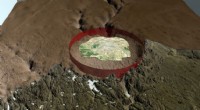
The Galapagos Islands, located in Ecuador's Pacific Ocean, are a unique and fascinating archipelago known for its diverse flora, fauna, and iconic wildlife. Understanding the geology and biodiversity of these islands provides insights into the processes that shaped Earth's biodiversity and the principles of evolution.
1. Geological Formation:
- Volcanic Origin: The Galapagos Islands were formed by volcanic activity over millions of years. The islands are located on the Nazca Plate, which is subducting beneath the South American Plate. This subduction zone and resulting volcanic activity created the major islands of the archipelago.
- Hotspot: The movement of the Nazca Plate and the location of a volcanic hotspot contribute to the formation and age diversity of the islands. As the Nazca Plate moves over the hotspot, volcanic eruptions occur, forming new islands while older ones slowly move away.
2. Biodiversity and Endemism:
- Species Isolation: Due to the islands' geographical isolation, species on the Galapagos were cut off from the mainland, allowing them to evolve and adapt to their unique environments without significant competition or predation. This isolation contributed to the development of endemic species found nowhere else on Earth.
- Adaptation and Natural Selection: The unique environments of different islands posed specific challenges and opportunities, driving the process of natural selection. This isolation and natural selection led to remarkable adaptations, including the variation in beak shapes in finches, marine iguanas, and giant tortoises.
- Conservation and Human Impact: The Galapagos is recognized for its conservation efforts and the protection of its fragile ecosystems. However, human activities such as tourism, fishing, and the introduction of non-native species have posed threats to the delicate balance of the islands.
3. Influence of Charles Darwin:
- Voyage of the Beagle: In 1835, Charles Darwin visited the Galapagos Islands during his voyage on the HMS Beagle. Inspired by the variations he observed in species, especially finches, Darwin developed his revolutionary theory of evolution by natural selection.
4. Current Conservation Efforts:
- UNESCO World Heritage Site: The Galapagos Islands were designated a UNESCO World Heritage Site in 1978, providing international recognition and protection for its natural and cultural significance.
- Galapagos National Park: Established in 1959, the Galapagos National Park encompasses 97% of the islands' land area. Strict regulations and management plans aim to preserve the islands' unique ecosystems.
- Education and Research: The Galapagos has become an important center for scientific research, contributing to global knowledge of biodiversity, conservation, and evolution.
Understanding how the Galapagos Islands work enhances our appreciation for the delicate balance of ecosystems, the wonders of evolution, and the importance of conservation. These islands serve as a living laboratory, where ongoing research and conservation efforts strive to protect one of Earth's most extraordinary natural treasures for generations to come.