* Oil spills: The Arctic is home to a fragile ecosystem that is easily damaged by oil spills. Oil spills can kill marine life, contaminate food sources, and damage habitats.
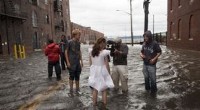
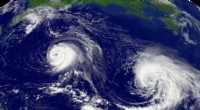
* Climate change: The Arctic is warming at twice the rate of the rest of the planet. This is due in part to the burning of fossil fuels, which releases greenhouse gases into the atmosphere. Greenhouse gases trap heat, causing the planet to warm. The warming of the Arctic is causing sea ice to melt, which is opening up new areas for oil exploration. However, this is also leading to more extreme weather events, such as storms and floods, which can damage oil rigs and pipelines.
* Air pollution: Oil exploration and production can release harmful pollutants into the air, such as sulfur dioxide, nitrogen oxides, and particulate matter. These pollutants can cause respiratory problems, heart disease, and cancer.
Economic Concerns
* The cost of oil exploration: Oil exploration in the Arctic is a very expensive undertaking. The cost of drilling a single well can be up to $1 billion. This is due to the harsh conditions in the Arctic, which require specialized equipment and personnel.
* The risk of oil spills: Oil spills can have a devastating impact on the Arctic environment and economy. The cleanup costs for a major oil spill can be in the billions of dollars.
* The competition for resources: The Arctic is home to a number of valuable resources, including oil, gas, minerals, and fish. There is a growing competition between countries for these resources, which could lead to conflict.
Political Concerns
* The sovereignty of the Arctic: The Arctic is divided among a number of countries, including Canada, Denmark, Norway, Russia, and the United States. There is disagreement among these countries about who has the right to explore and develop the Arctic's resources.
* The rights of indigenous peoples: Indigenous peoples have lived in the Arctic for thousands of years. They have a unique way of life that is closely tied to the land and the sea. The exploration and development of the Arctic could have a negative impact on the rights and way of life of indigenous peoples.
* The militarization of the Arctic: The Arctic is becoming increasingly militarized as countries compete for resources and assert their sovereignty. This could lead to conflict and instability in the region.
The Arctic is a region of great beauty and importance. It is also a region that is facing a number of challenges, including climate change, oil exploration, and political conflict. It is important to be aware of these challenges so that we can work together to protect the Arctic and its people.