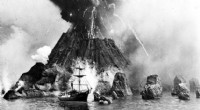
1. Volcanic History: Studying the historical record of volcanic eruptions in a region can provide valuable information about the location and frequency of past eruptions. This information can be used to assess the likelihood of future eruptions in the same areas.
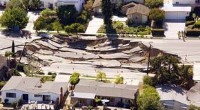
2. Ground Deformation: Monitoring ground deformation using techniques like satellite-based InSAR (Interferometric Synthetic Aperture Radar), GPS, or tiltmeters can help detect subtle changes in the shape and elevation of the ground surface. Uplift or deformation of the ground can indicate the movement of magma beneath the surface and suggest potential volcanic activity.
3. Seismic Activity: Seismic monitoring involves the analysis of earthquake data to detect and locate seismic events beneath the Earth's surface. Increased seismic activity, including tremors, harmonic tremors, or swarms of small earthquakes, can be associated with magma movement and indicate a potential eruption.
4. Gas Emissions: Volcanic gases like sulfur dioxide (SO2), carbon dioxide (CO2), and hydrogen sulfide (H2S) can be monitored using ground-based sensors, satellite remote sensing, or aerial surveys. Changes in gas emissions can provide clues about magma ascent and potential volcanic activity.
5. Surface Changes: Visual observations and remote sensing techniques can identify surface changes that may indicate volcanic activity. These include the formation of new cracks, bulges, domes, or the appearance of fumaroles (vents that release volcanic gases).
6. Thermal Anomalies: Satellite-based thermal monitoring can detect areas of increased heat emission on the Earth's surface. Thermal anomalies can indicate the presence of hot magma near the surface and suggest impending volcanic eruptions.
7. Geochemical Indicators: Geochemical analysis of volcanic gases, water, or rock samples can provide insights into the composition and properties of the underlying magma. Changes in geochemical parameters can be used to track magma movement and assess eruption potential.
It is important to note that while these methods can help identify areas at increased risk of volcanic eruptions, precise eruption forecasting remains challenging due to the complexities of volcanic systems. Multidisciplinary monitoring and analysis by teams of volcanologists are essential for assessing and mitigating volcanic hazards.