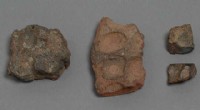
* Surface survey: This involves walking over an area and looking for any signs of human activity, such as pottery sherds, stone tools, or building foundations.
* Geophysical survey: This involves using instruments to detect buried features, such as walls, ditches, and graves.
* Historical research: This can help to identify areas where people are likely to have lived or worked in the past.
* Local knowledge: This can sometimes provide information about where there are likely to be archaeological sites.
Once archaeologists have identified a potential site, they will typically conduct a test excavation. This involves digging a small hole in the ground to see if there is any evidence of human activity. If there is, they will then expand the excavation and begin to carefully remove the soil and other deposits to reveal the remains of the past.
Archaeologists use a variety of methods to ensure that they dig in the right places. By carefully planning their excavations and using a variety of techniques, they can minimize the damage to archaeological sites and maximize their chances of finding important information about the past.