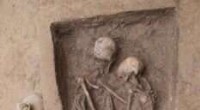
1. Microenvironment and Burial Conditions:
- DNA preservation is influenced by the chemical and physical characteristics of the sediment. Stable temperature and moisture levels, such as in permafrost or dry environments, can slow down DNA degradation.
- Burial conditions play a crucial role. Deep burial protects DNA from environmental exposure, enzymatic activities, and temperature fluctuations.
2. DNA Adsorption:
- Sediment particles have negatively charged surfaces that attract positively charged DNA molecules, leading to DNA adsorption. This interaction shields DNA from degradation by microbial enzymes and nucleases.
3. Protection from UV Light:
- Sediment layers provide protection from ultraviolet radiation, which can cause damage and fragmentation of DNA molecules. Burial depth and the absence of sunlight contribute to DNA preservation.
4. Antimicrobial Compounds:
- Certain sediments contain antimicrobial substances, such as humic acids and tannins, which can inhibit microbial activity and prevent DNA degradation. These compounds can bind to DNA, creating a protective layer.
5. Low Microbial Activity:
- Some sediments have low microbial activity due to factors like high salinity, acidity, or alkalinity. This reduced microbial presence minimizes DNA degradation.
6. Absence of Oxygen:
- Oxygen can cause oxidative damage to DNA, leading to its degradation. The absence of oxygen in anaerobic sediment conditions, such as waterlogged environments, can help preserve DNA.
7. Fragmentation and Size:
- Over time, DNA molecules can fragment into smaller pieces. Smaller DNA fragments are more stable and less susceptible to degradation compared to longer DNA strands.
8. Post-mortem DNA Modifications:
- After an organism's death, modifications such as deamination and methylation can occur in the DNA. These changes enhance DNA stability and increase its resistance to degradation.
9. DNA Repair Mechanisms:
- Some organisms possess DNA repair mechanisms that can detect and repair DNA damage, even after death. These mechanisms can extend DNA's longevity in archaeological contexts.
10. Absence of DNases:
- Certain soils or sediments lack significant populations of microorganisms that produce DNases, enzymes capable of breaking down DNA. This absence can preserve DNA over extended periods.
Although DNA preservation is possible for thousands of years, it is important to note that it becomes increasingly fragmented and susceptible to degradation over time. Successful DNA extraction and analysis from ancient sediments require careful sampling, laboratory techniques, and bioinformatics approaches to overcome these challenges. Despite the difficulties, the field of ancient DNA research continues to make significant advancements, providing valuable insights into evolutionary history, ancient populations, and human migrations.