If we miss our global warming targets, the Greenland ice sheet will continue to melt at an accelerating rate, and this will contribute to even greater sea level rise. This could have a number of devastating consequences, including:
* Increased coastal flooding: Sea level rise will cause coastal flooding to become more frequent and more severe. This could damage or destroy homes, businesses, and infrastructure, and it could also lead to the displacement of millions of people.
* Loss of habitat: Sea level rise will also cause coastal habitats to be lost, which could harm or kill the plants and animals that live in these areas.
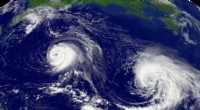
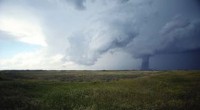
* Changes in weather patterns: The melting of the Greenland ice sheet could also lead to changes in weather patterns, such as more frequent and severe storms. These storms could cause widespread damage and loss of life.
The melting of the Greenland ice sheet is a serious threat to the planet, and it is essential that we take action to reduce greenhouse gas emissions and mitigate its impacts.