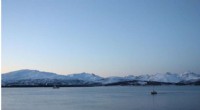
Wellington is the capital city of New Zealand and is located on the southern coast of the North Island. The city has a population of over 200,000 people and is the second most populous city in New Zealand. Wellington is a major commercial, cultural, and political center and is home to a number of universities, museums, and other educational institutions.
The city is also located in a region with a history of volcanic activity, and as a result, the soils in Wellington are highly variable. Some areas of the city have soils that are derived from volcanic ash, while other areas have soils that are derived from sedimentary rocks. In addition, the city has a number of areas that have been reclaimed from the sea, and these areas have soils that are made up of a mixture of sand, silt, and clay.
The variability of the soils in Wellington has a significant impact on the types of plants that can be grown in the city. Some areas of the city have soils that are well-suited for growing vegetables and flowers, while other areas have soils that are better suited for growing trees and shrubs.
The urbanization of Wellington has had a significant impact on the soils in the city. Urbanization has led to an increase in the amount of impervious surfaces in the city, such as roads, buildings, and parking lots. This has resulted in a decrease in the amount of water that can infiltrate the soil, which has led to an increase in the amount of runoff.
The runoff from impervious surfaces often contains high levels of heavy metals, such as lead, zinc, and copper. These metals can come from a variety of sources, including vehicles, construction materials, and industrial activities. The runoff from impervious surfaces can transport these metals into the soil, where they can accumulate and pose a health risk to humans and the environment.
Maps of heavy metals in Wellington soils have been created to identify areas of the city that have high levels of these metals. These maps can be used to help manage the risks associated with heavy metals in the soil.
The maps show that the highest levels of heavy metals are found in areas of the city that have a high traffic volume, such as the central business district and the major highways. The maps also show that the levels of heavy metals are higher in areas of the city that have been reclaimed from the sea.
The urbanization of Wellington has had a significant impact on the soils in the city, including an increase in the amount of heavy metals in the soil. Maps of heavy metals in Wellington soils can be used to help manage the risks associated with these metals.